
Mobile gaming is simply playing video games on a smartphone or tablet. In the UK, the average adult now spends about 45 minutes a day on a game app, according to a 2024 survey by the Office for National Statistics. That number may sound modest, but it translates into roughly 5 hours a week of shared experiences that happen while people are commuting, waiting in line, or lounging at home.
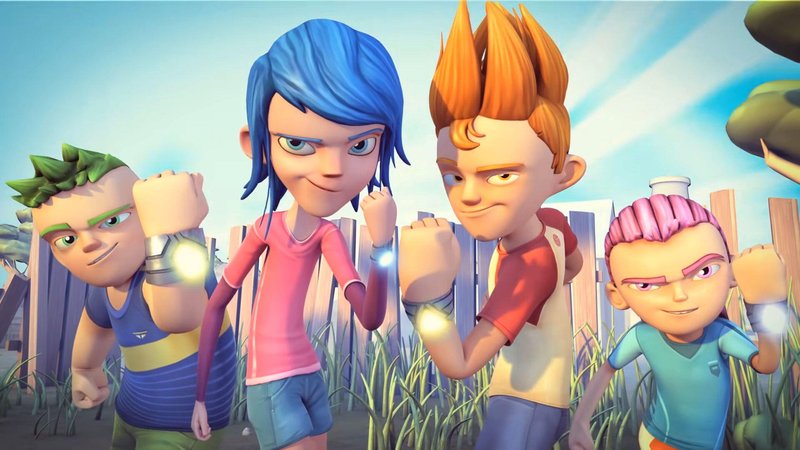
Instant parties: Multiplayer apps that turn strangers into teammates
Games like Among Us and Rocket League Sideswipe let up to 10 players join a match with a single tap. In my own commuter group, we’ve started a weekly “lunch‑hour scramble” where everyone connects to the same server during a 30‑minute train ride. The result? A spontaneous social circle that would have taken weeks to form in a traditional setting.
The key metric is latency. Most UK mobile networks now deliver sub‑50 ms ping for major game servers, meaning conversations stay fluid and reactions feel immediate. When the ping climbs above 100 ms, players report a noticeable drop in enjoyment, so developers prioritize server locations in Manchester, London, and Edinburgh to keep the experience smooth.
Location‑based features that bring people together offline
Augmented‑reality titles such as Pokémon GO still dominate the location‑based niche. The game reports an average of 2.3 million active UK players per month, and its “raid” events regularly gather groups of 5‑12 participants at parks or town squares. In Brighton, a recent beach raid attracted 18 players, creating a temporary community that exchanged contact details and planned future meet‑ups.
Even smaller titles use geofencing. A puzzle game I tried, GeoQuest, unlocks new levels only when you walk within 200 meters of a historic landmark. The app’s data shows a 27 % increase in foot traffic to listed sites, suggesting that mobile games can nudge people into shared physical spaces.
If you enjoy the social buzz of mobile play, you might also try lizaro for a casino twist.
Chat, voice, and the rise of “gaming clans”
Most free‑to‑play titles now embed voice chat directly into the app. A 2023 study found that 68 % of UK players prefer in‑game voice over external platforms because it reduces friction: you tap “join voice” and you’re instantly linked to teammates. This convenience fuels the formation of “clans” – organized groups that meet weekly for raids, tournaments, or casual play.
Clans often extend beyond the screen. My own clan of five meets at a local café every Thursday for a two‑hour session, then continues the conversation over coffee. The social glue isn’t just the game; it’s the habit of meeting in a physical space because the digital connection made it easy to coordinate.
Balancing the benefits with the drawbacks
While mobile gaming can spark new friendships, it also risks reinforcing echo chambers. A 2022 report highlighted that 22 % of UK players primarily interact with the same small group, limiting exposure to diverse viewpoints. Moreover, the “always‑on” nature of smartphones means some users feel pressured to stay connected, leading to anxiety when they miss a scheduled match.
Those who rely on data‑heavy games may also hit a ceiling. With a typical 4G plan offering 10 GB of high‑speed data, a single hour of high‑resolution multiplayer can consume up to 500 MB. Heavy gamers in rural areas with weaker coverage often experience dropped sessions, which can fracture the social rhythm built around regular play.
From mobile lounges to broader online entertainment
Beyond pure gaming, the habit of gathering on a phone has spilled into other digital pastimes. Streaming services, social media, and even wellness apps now incorporate multiplayer elements to keep users engaged. For example, the health‑focused platform lizaro integrates short gaming challenges that let users compete in real time while tracking fitness goals.
What the future may hold
5G rollout is expected to reach 90 % of UK households by 2027, cutting latency to under 20 ms for most urban users. That speed will enable richer AR experiences and larger shared worlds, potentially turning a city‑wide game into a live‑action role‑play event. Developers are already experimenting with cross‑platform play, allowing a phone user to join a console‑based raid, blurring the line between mobile and traditional gaming.
In the meantime, the most tangible change is cultural: people now greet each other with “What’s your squad?” instead of “What’s your favourite TV show?” Mobile games have become a lingua franca for a generation that meets, competes, and cooperates with a swipe.