
In 2023, the UK recorded 27.4 million smartphone users who played at least one game each month, up from 24.9 million in 2020. That growth isn’t just a numbers game; it reshapes how broadcasters, advertisers, and developers think about audience reach. The shift from console‑centric habits to pocket‑sized sessions means content creators must design for shorter attention spans, varied connectivity, and a broader demographic that now includes 18‑to‑34‑year‑old professionals commuting on the Tube.
Hyper‑Casual Titles Dominate Download Charts
Hyper‑casual games—those that can be understood in under ten seconds—now claim roughly 45 % of the top‑100 downloads on the UK Google Play store. Titles like “Stack Bounce” and “Swipe Quest” achieve daily active user (DAU) spikes of 200,000 within the first week, largely because they require no tutorial and run on devices as old as the 2015 Snapdragon 410. For developers, the lesson is clear: a minimal UI and a single‑tap mechanic can translate into rapid virality, especially when paired with a low‑cost ad spend.
Cloud Gaming Moves From Niche to Mainstream
Google’s Stadia and Microsoft’s Xbox Cloud Gaming (formerly Project xCloud) reported a combined 1.8 million UK users in Q2 2024, a 34 % increase over the previous quarter. The decisive factor is latency: 5G roll‑outs in major cities have cut round‑trip times to under 30 ms, making it feasible to stream 1080p titles at 60 fps on a mid‑range phone. However, the model still depends on a stable data plan—players on a typical 30 GB monthly allowance may only manage 10–12 hours of high‑quality streaming before throttling kicks in.
Augmented Reality Blurs the Line Between Game and City
AR experiences such as “London Legends Hunt” have logged 1.2 million unique sessions since launch, with users reporting an average playtime of 22 minutes per session. The game overlays historic anecdotes onto real‑world landmarks via the phone’s camera, turning a commute into a scavenger hunt. Developers are learning to partner with local councils for data accuracy, but the requirement for precise GPS can frustrate players in dense urban canyons where signal loss exceeds 15 % of the time.
Social Integration Fuels Retention
Games that embed Discord servers or in‑app chat rooms see a 27 % higher 30‑day retention rate than those that rely solely on push notifications. For example, the battle‑royale title “Island Clash” introduced a “squad chat” feature in March 2024, and its DAU rose from 340,000 to 460,000 within six weeks. The trade‑off is moderation overhead: community managers now spend an average of 3 hours per day monitoring toxic behavior, which can strain smaller studios.
Monetisation Shifts Toward Subscription Bundles
Subscription services like Apple Arcade and the newer “PlayPass UK” have attracted 3.4 million subscribers combined, each paying £4.99 per month for ad‑free access to a curated library. While the per‑user revenue is lower than high‑spending “whale” players in free‑to‑play titles, the predictable cash flow reduces reliance on volatile in‑app purchase spikes. Studios must, however, negotiate revenue shares that can dip to 30 % of gross earnings, which may deter indie developers seeking higher margins.
Cross‑Industry Partnerships Expand Reach
Music streaming services and mobile games are converging. In April 2024, a popular rhythm game integrated Spotify playlists, allowing users to sync their favorite tracks with gameplay. The feature generated a 12 % uplift in session length, proving that cross‑platform data sharing can deepen engagement. Yet, privacy concerns arise; users must grant permission for the app to read their listening history, and 18 % of surveyed players opted out, limiting the feature’s impact.
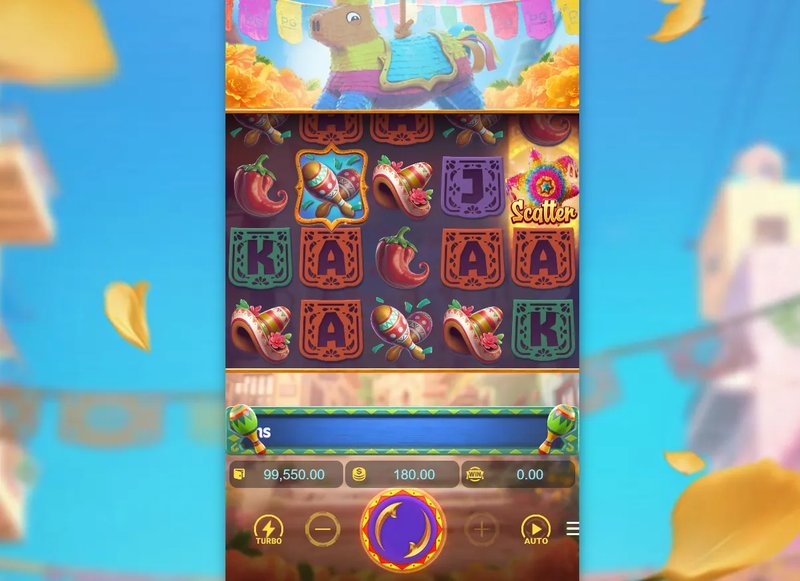
These trends don’t exist in isolation. They intersect with broader online entertainment habits, and many gamers transition from mobile sessions to more immersive experiences. For those looking to explore that next step, the go-to platform for online play offers a seamless bridge between casual mobile titles and richer casino‑style environments.
What Still Holds the Industry Back?
Despite rapid growth, the UK mobile gaming sector faces a talent bottleneck. According to a 2024 survey by UKGames, 42 % of studios reported difficulty hiring skilled UI/UX designers, slowing the rollout of innovative features. Moreover, the reliance on high‑speed 5G leaves rural players with inconsistent experiences, potentially widening the urban‑rural divide in gaming culture.
Looking Ahead: Practical Takeaways for Stakeholders
- Prioritise low‑latency cloud solutions if targeting high‑fidelity gamers; test on a range of data plans.
- Invest in AR mapping tools early, but allocate budget for GPS error handling.
- Build social layers into the core gameplay loop to boost retention without inflating moderation costs.
- Consider subscription bundles as a steady revenue stream, but negotiate revenue shares carefully.
- Partner with non‑gaming brands to enrich content, while being transparent about data usage.
Conclusion
The UK mobile gaming market is no longer a peripheral hobby; it’s a primary driver of digital entertainment. Hyper‑casual spikes, cloud streaming, AR city games, social retention tools, subscription models, and cross‑industry collaborations each contribute a piece to a rapidly evolving puzzle. By acknowledging the current limitations—skill shortages and connectivity gaps—developers and investors can make informed decisions that keep the sector vibrant for years to come.